Choosing the right window tint percentage can make a significant difference in your vehicle's appearance, privacy, and driving comfort. However, with several tint shades available, deciding which one works best for your vehicle is not always straightforward. Some drivers prefer a darker appearance for added privacy, while others prioritize clear visibility and a more subtle finish. Understanding how tint percentages work is essential when determining the best tint shade for cars in Milwaukee, WI.
Window tint percentages indicate how much visible light passes through the glass. Lower percentages create a darker appearance, while higher percentages allow more light into the vehicle. Although appearance is often a major consideration, choosing automotive window tint involves more than selecting a preferred shade. Visibility, glare reduction, UV protection, film performance, and Wisconsin window tint regulations should all influence your decision.
At Endless Detailing, we provide professional automotive window tinting services in Hales Corners, WI, serving vehicle owners throughout the Milwaukee area. Our available window tint options include LLumar ATR, CTX Ceramic, and IRX Heat-Rejecting Tint, with several shade selections designed to accommodate different preferences.
In this guide, we explain what window tint percentages mean, compare common shade options, and discuss how to choose the right tint for your vehicle while considering comfort, appearance, and legal requirements.
What Does Window Tint Percentage Mean?
Window tint percentage refers to visible light transmission, commonly abbreviated as VLT. This measurement indicates how much visible light passes through a vehicle's window. A higher VLT percentage means more light can pass through, while a lower percentage means the glass appears darker. For example, a 50% tint allows approximately half of the visible light to pass through the film under its rated test conditions. A 20% tint allows considerably less light, creating a darker appearance. Understanding this relationship helps drivers compare different shades and determine which level of darkness suits their preferences.
An important detail is that the final VLT of an installed window depends on both the film and the original automotive glass. If a vehicle already has factory-tinted glass, installing additional window film can further reduce the amount of visible light passing through. As a result, the film's advertised percentage may not match the final measured VLT of the completed window.
At Endless Detailing, we offer a window tint simulator featuring 5%, 15%, 20%, 35%, and 50% shade options. This allows Milwaukee vehicle owners to compare different levels of darkness before discussing their preferred film. However, not every shade shown in a simulator is legal for every window. The final selection must account for Wisconsin regulations and the vehicle's existing glass.
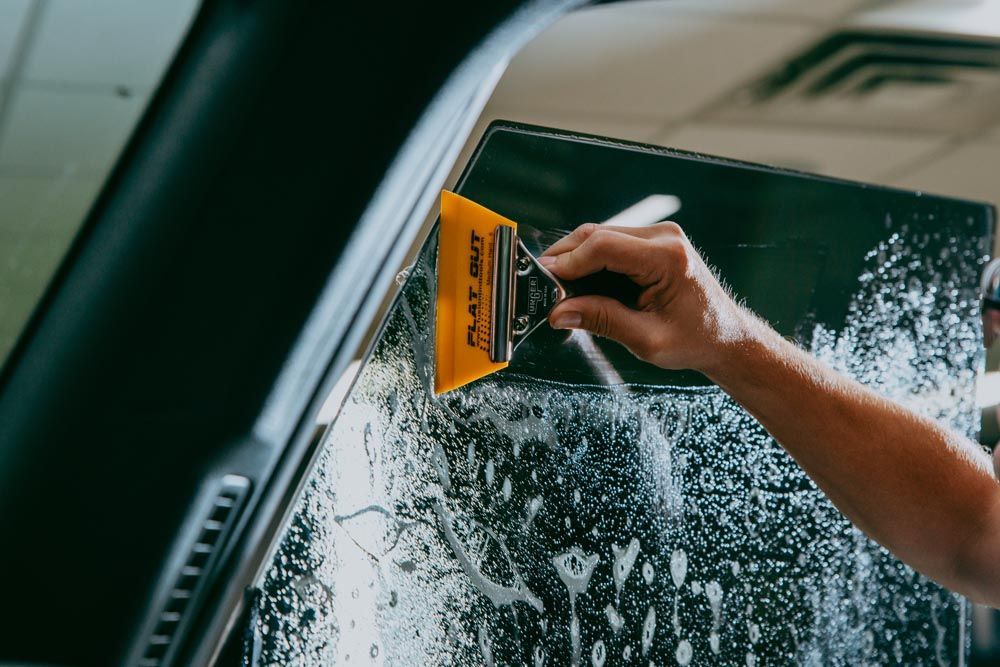
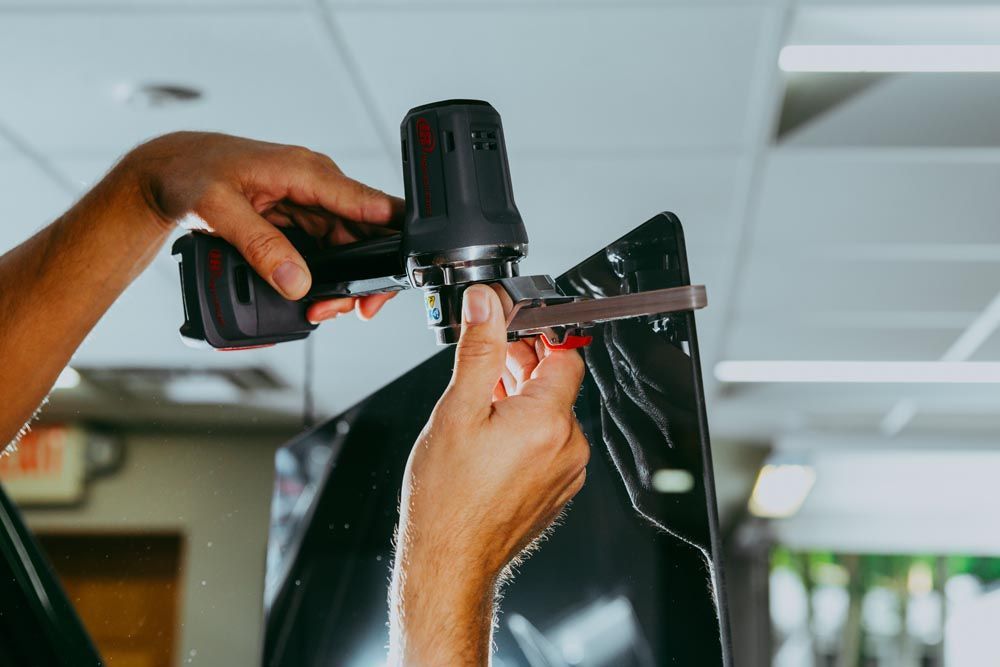
Understanding the Different Window Tint Percentages
The best tint shade for cars depends on the driver's preferences and the windows being tinted. While darker films may offer greater privacy, lighter films generally allow more visible light through the glass. Knowing the differences between common tint percentages helps vehicle owners make more informed decisions.
5% Window Tint: A Very Dark Appearance
A 5% tint allows approximately 5% of visible light to pass through the film, creating an extremely dark appearance. This shade substantially limits visibility into the vehicle from outside under many lighting conditions, making it attractive to drivers who prefer a highly private appearance. However, the same darkness that reduces outside visibility also limits the light available to occupants looking through the glass. This can become especially important during nighttime driving or in poorly illuminated areas. Drivers should consider how strongly reduced visible light transmission may affect their ability to see surrounding traffic and other road features.
Although Endless Detailing's tint simulator includes a 5% option for comparison, Wisconsin's standard aftermarket tint requirements generally do not permit this level of darkness on ordinary road-use passenger vehicle windows. Therefore, Milwaukee drivers should treat this shade as a visual reference rather than assume it is an appropriate choice for installation.
15% Window Tint: Dark Styling With Greater Privacy
A 15% tint allows approximately 15% of visible light through the film, producing a dark appearance that emphasizes privacy and exterior styling. Compared with 5% tint, it permits more visible light to pass through, although the overall appearance remains noticeably dark. Drivers comparing 15% and lighter shades should consider the relationship between privacy and visibility. While this percentage may appeal to individuals who want a more concealed interior, the reduced amount of transmitted light can make it more difficult to see through the windows under certain conditions.
Wisconsin's standard aftermarket window tint limits generally do not permit 15% VLT on ordinary passenger vehicle side and rear windows. Its inclusion in a tint simulator does not establish that it can be legally installed in every application. For Milwaukee vehicle owners, it is important to prioritize legally appropriate coverage rather than selecting a shade based exclusively on appearance.
20% Window Tint: A Distinctly Dark Finish
A 20% window tint creates a noticeably dark appearance while allowing more visible light through than 5% or 15% films. This percentage may appeal to drivers who prefer a strong visual contrast between the vehicle's glass and exterior body. In terms of privacy, 20% tint can make the interior less visible from outside, depending on lighting conditions. However, it also reduces the amount of light passing through the windows, which is important when evaluating nighttime visibility and general driving comfort.
For drivers in Milwaukee, the key issue is legal compliance. A 20% VLT result falls below Wisconsin's usual minimum transmission requirements for aftermarket film on standard vehicle side and rear windows. As a result, it should not be viewed as a typical compliant installation option. Understanding this distinction helps vehicle owners separate personal styling preferences from the requirements that apply to vehicles operated on public roads.
35% Window Tint: A Balance Between Darkness and Visibility
A 35% tint allows approximately 35% of visible light through the film, creating a moderately dark appearance. Compared with darker options, it provides greater outward visibility while still producing a noticeable tint effect.
This percentage may appeal to vehicle owners who want additional privacy and a more defined window appearance without choosing an extremely dark film. It can also be relevant when comparing film options for rear vehicle windows. Wisconsin generally requires aftermarket-tinted rear side windows and rear windows to transmit at least 35% of visible light when the glass and film are measured together. Because factory glass may already reduce some light transmission, installing film labeled 35% does not automatically result in a legally compliant finished window.
For Milwaukee drivers, 35% should therefore be treated as a regulatory threshold for certain windows rather than a universally appropriate film choice. Confirming the final combined VLT is essential before selecting this percentage.
50% Window Tint: A Lighter, More Subtle Appearance
A 50% tint allows approximately half of visible light to pass through the film, providing a lighter appearance than the other shades discussed. This option may appeal to drivers who prefer a subtle visual enhancement and place considerable importance on maintaining outward visibility.
Although 50% tint does not provide the same level of visual privacy as darker shades, it can still offer a refined appearance. The amount of UV protection, infrared heat rejection, and glare reduction available depends on the specific film selected rather than the shade percentage alone. Wisconsin generally requires aftermarket-tinted front side windows to allow at least 50% of visible light to pass through the combined glass and film. Therefore, even a film advertised as 50% VLT may produce a final window measurement below the required threshold. For Milwaukee vehicle owners, the appropriate choice is a film that leaves the finished window compliant while providing the desired performance and appearance.
What Is the Best Tint Shade for Cars in Milwaukee, WI?
There is no single tint percentage that works equally well for every vehicle or driver. The best choice depends on which windows you want tinted, your preferred appearance, how much outward visibility you need, and the regulations that apply to your vehicle. For drivers who prioritize visibility and a subtle appearance, a lighter film may be a suitable starting point. Those who prefer more privacy may want to explore darker options where permitted. However, legal restrictions must be considered before selecting a particular VLT percentage.
Wisconsin's standard requirements generally establish a minimum of 50% visible light transmission for aftermarket-tinted front side windows and 35% for aftermarket-tinted rear side and rear windows. These requirements apply to the finished glass-and-film combination, not simply the percentage printed on the film packaging.
This means that choosing the correct shade involves more than comparing appearance samples. Vehicle owners should consider the existing glass and ensure that the completed installation meets the applicable requirements. At Endless Detailing, our Window Tinting Films installation Services give Milwaukee drivers access to different film options and professional installation. Discussing your preferences and vehicle requirements before installation helps identify an appropriate balance of appearance, visibility, and performance.
How Window Tint Percentage Affects Driving Visibility
Visibility is one of the most important considerations when selecting automotive window tint. While tinted glass can reduce unwanted brightness and glare, the film also affects how much visible light reaches the driver through the treated windows. Darker shades allow less visible light into the cabin. This may be noticeable when driving at night, entering poorly illuminated areas, or looking through the side windows in low-light conditions. A driver who frequently travels under these circumstances should carefully consider whether a darker shade is appropriate.
Lighter tint options generally provide greater visible light transmission, making them attractive to drivers who want an understated appearance and clearer outward visibility. However, visibility should not be evaluated based on percentage alone. The condition of the glass, existing tint, and specific film characteristics can also influence the result. For Milwaukee drivers, balancing glare reduction with adequate visibility is essential. Automotive window tint should support a comfortable driving experience without unnecessarily limiting the ability to observe surrounding vehicles, pedestrians, and road conditions.
Does Darker Window Tint Provide Better Heat Rejection?
A common misconception about automotive window tint is that darker film automatically delivers stronger infrared heat rejection. Although darker shades reduce visible light transmission, the amount of infrared energy rejected depends heavily on the film's technology and construction. At Endless Detailing, we offer different LLumar window tint products with varying infrared heat rejection capabilities. Our ATR film provides a value-focused option with up to 50% infrared heat rejection, while CTX Ceramic offers 70%. Our IRX Heat-Rejecting Tint provides 85% infrared heat rejection using advanced nano-ceramic technology.
These figures describe the respective products' stated infrared heat rejection capabilities rather than guaranteed reductions in overall vehicle interior temperature. They also demonstrate why customers should compare film performance specifications instead of assuming the darkest available shade is automatically the strongest-performing product. For Milwaukee drivers interested in reducing infrared heat exposure through treated windows, selecting an appropriate ceramic film may be more relevant than simply choosing a darker percentage. This allows performance priorities to remain separate from decisions about privacy, appearance, and legal VLT limits.
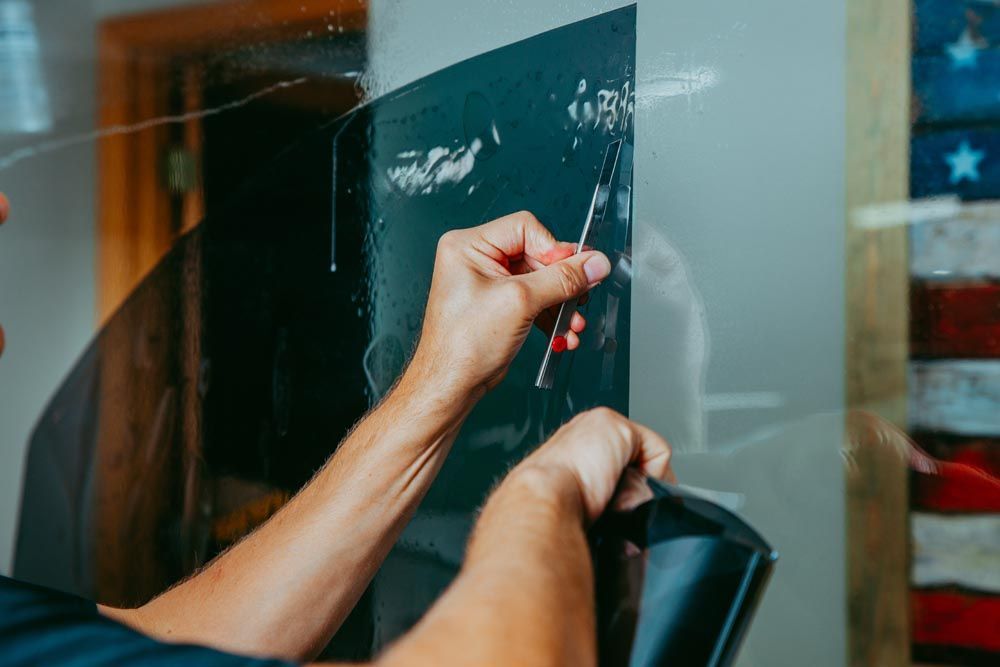
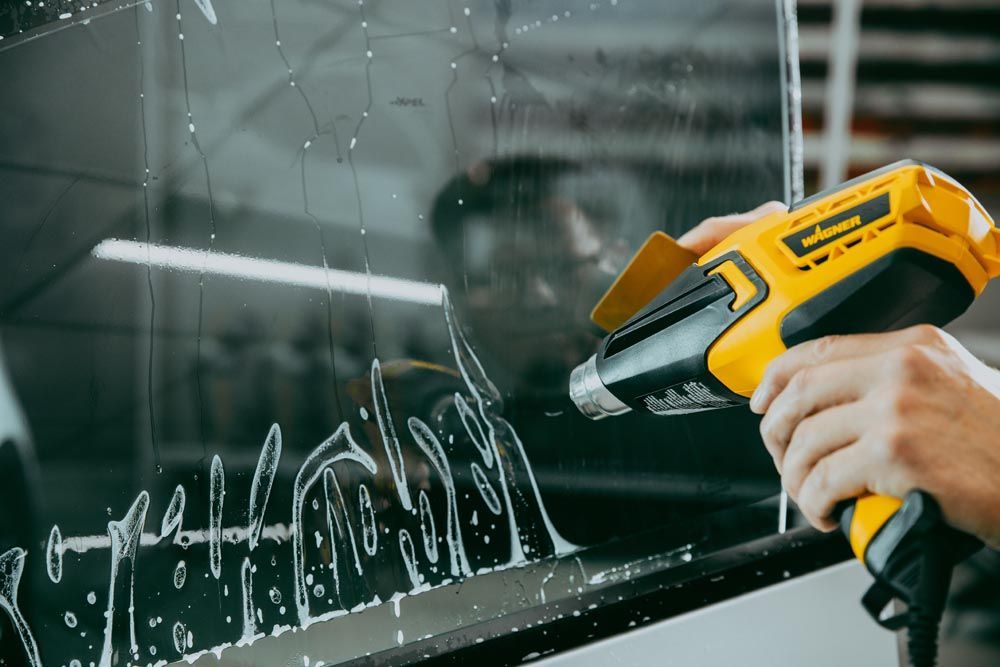
Comparing Endless Detailing's Window Tint Film Options
Selecting the best tint shade for cars also involves understanding the different products available. At Endless Detailing, we offer three LLumar window tint options with distinct features and price points.
LLumar ATR Window Tint: A Value-Focused Option
Our ATR Window Tint starts at $100 and provides an affordable option for customers who want to enhance their vehicle's appearance while gaining practical window tint benefits. This metallized dyed film offers up to 50% infrared heat rejection, moderate glare reduction, and an appearance designed to resist fading. ATR is particularly relevant for Milwaukee vehicle owners who prioritize visual enhancement and value. It provides some infrared heat rejection, although its performance is lower than the ceramic options available in our lineup.
The suitability of a particular ATR shade depends on the vehicle's windows and applicable regulations. Customers should confirm the final installation details and pricing before making a decision.
LLumar CTX Ceramic Window Tint: Advanced Ceramic Performance
Our CTX Ceramic Window Tint starts at $180 and offers stronger infrared heat rejection than ATR. It provides 70% infrared heat rejection, blocks 99% of damaging UV rays, and helps reduce unwanted glare.
CTX also supports clear cellular signals, making it an attractive option for drivers who want advanced film technology without compromising everyday connectivity. Its ceramic construction makes it a practical choice for vehicle owners who value UV protection, visibility, and driving comfort.
For Milwaukee drivers comparing performance-oriented window tint films, CTX offers a balance of ceramic technology and protective features. The appropriate tint shade should still be chosen according to the vehicle's existing glass and applicable Wisconsin requirements.
LLumar IRX Heat-Rejecting Tint: Premium Performance
Our LLumar IRX Heat-Rejecting Tint starts at $220 and provides the highest stated infrared heat rejection among our three listed products. With advanced nano-ceramic technology, IRX delivers 85% infrared heat rejection and blocks over 99% of harmful UV rays. This film also provides glare reduction, subtle privacy enhancements, and seamless electronic connectivity. These characteristics make it an option for drivers who want premium window film performance while maintaining a refined appearance.
For Milwaukee vehicle owners interested in advanced infrared heat rejection and UV protection, IRX offers a higher-performance alternative to ATR and CTX. As with all window tint products, the selected VLT must remain appropriate for the vehicle and its intended window locations.
What Are the Window Tint Laws in Wisconsin?
Wisconsin has specific requirements governing aftermarket automotive window tint. These regulations are important because they determine how much visible light must pass through certain vehicle windows after film installation. Under Wisconsin Administrative Code Trans 305.32, the standard visible light transmission requirements for aftermarket film are as follows:
- Front side windows: At least 50% VLT.
- Rear side windows: At least 35% VLT.
- Rear window: At least 35% VLT.
These limits generally apply to the combined transmission of the existing glass and installed film. Nonreflective film requirements also apply, and factory-installed tint is treated differently from aftermarket film under the regulations.
Wisconsin has separate windshield requirements, including restrictions on where tint film may be placed. Certain documented medical circumstances may also qualify for specific exceptions under applicable rules. For Milwaukee drivers, an important takeaway is that a film's advertised shade does not automatically establish legal compliance. A 50% film installed over glass that already reduces light transmission could result in a finished window with less than 50% VLT.
Before selecting a shade, vehicle owners should confirm the current requirements for their vehicle and the windows being treated. Reviewing these factors helps avoid choosing a visually appealing tint that does not meet Wisconsin's legal standards.
How Privacy Preferences Influence Your Tint Choice
Privacy is one of the main reasons vehicle owners explore different tint percentages. A darker appearance can make it more difficult for people outside the vehicle to see into the cabin, while lighter films generally allow greater visibility from both directions. However, privacy depends on more than VLT percentage. The amount of light inside and outside the vehicle, viewing angle, and surrounding conditions can affect how easily occupants or interior objects can be seen through tinted windows.
For Milwaukee drivers who prefer a more discreet vehicle interior, it may be tempting to choose the darkest shade shown in a tint simulator. However, legal requirements and visibility needs should determine which options are actually suitable. Window tint also should not be treated as a complete security measure. Even with additional privacy, occupants and items inside the vehicle may remain visible under certain conditions. Choosing the correct percentage means balancing privacy preferences with appropriate outward visibility and legal compliance.
At Endless Detailing, our available window tint films offer different appearance and performance characteristics, allowing customers to explore options based on their priorities.
Should You Choose a Window Strip, Front Two-Window Match, or Full Vehicle Surround?
The type of installation you choose can be just as important as the tint percentage. At Endless Detailing, we offer several window tint configurations, allowing Milwaukee-area customers to choose which vehicle windows they want treated. Our Window Strip option provides a targeted installation configuration. Pricing starts at $50 for ATR and $70 for CTX. Because Wisconsin regulates the placement of windshield tint, customers should confirm that the proposed installation complies with applicable restrictions.
Our Front Two Window Match option focuses on the front side windows. This configuration may appeal to drivers who want to coordinate the appearance of the front windows with existing rear glass. Pricing starts at $100 for ATR, $180 for CTX, and $220 for IRX.
However, matching the darkness of existing rear windows is not always legally appropriate. Front side windows must meet Wisconsin's applicable VLT requirements, even when the factory rear glass appears considerably darker.
For customers seeking a more extensive installation, our Full Vehicle Surround packages start at $300 for ATR, $400 for CTX, and $500 for IRX. These packages allow drivers to explore a coordinated appearance across multiple windows while choosing their preferred film type. The final configuration should reflect the vehicle's design, existing glass, and applicable tint limits. An individual estimate can help clarify the selected coverage and installation price.
Why Professional Window Tint Installation Matters
Choosing a suitable tint percentage is only one part of the installation process. The film must also be applied correctly to achieve the intended appearance and performance.
At Endless Detailing, we provide professional automotive window tinting services using LLumar products and experienced installation technicians. Our focus is on helping customers enhance their vehicles with film options that offer useful features, including UV protection, glare reduction, infrared heat rejection, and privacy.
Professional guidance is especially valuable when selecting film for vehicles with existing factory tint. Because the final VLT depends on the combination of glass and film, understanding the starting condition of the windows is important before choosing a particular shade. Our team also offers different installation configurations and product levels, allowing customers to compare their options according to budget and performance expectations.
For drivers throughout the Milwaukee area, working with a professional installation provider can make the process more straightforward by connecting individual preferences with suitable film selections.
Choose the Right Window Tint Shade With Endless Detailing
Finding the best tint shade for cars requires balancing appearance, privacy, visibility, and legal requirements. Darker films create a more private appearance, while lighter options allow greater visible light transmission. However, tint percentage alone does not determine overall performance, making it equally important to compare UV protection, glare reduction, and infrared heat rejection.
For Milwaukee drivers, Wisconsin's window tint regulations should be a central part of the decision. Understanding how VLT works and how existing glass affects the final result can help vehicle owners choose a film that meets their preferences without overlooking legal considerations.
At Endless Detailing, we offer professional window tint installation in Hales Corners, WI, serving customers throughout the Milwaukee area. Our LLumar ATR, CTX Ceramic, and IRX Heat-Rejecting Tint options provide different levels of performance, while our available installation packages allow customers to choose the coverage that fits their vehicle.
If you are unsure which tint percentage is appropriate, our team can help you explore available film options and discuss your installation goals. Learn more about our Window Tinting installation Services in Milwaukee, WI and take the next step toward enhancing your vehicle.
Call Endless Detailing or request a quick quote today to discuss your preferred window tint shade and available installation packages.
Endless Detailing Blog