Is Paint Protection Film Worth It for Everyday Drivers in Milwaukee?
Yes, paint protection film can be worth it for everyday drivers, particularly for people who want to limit visible paint damage from rock chips, road debris, contamination, and repeated exposure to normal driving conditions. The value depends on how often the vehicle is driven, how long the owner plans to keep it, which panels receive the most exposure, and how important maintaining the original paint is. For many commuters, targeted PPF coverage offers a practical balance between protection and budget without requiring film across the entire vehicle.
For drivers around Milwaukee, WI, the decision can become more relevant because a daily vehicle experiences changing road and weather conditions throughout the year. Winter road treatments, loose grit, highway debris, insects, and routine commuting can gradually affect exposed painted surfaces. At Endless Detailing, we approach paint protection around actual vehicle use rather than assuming every owner needs the same amount of coverage. Understanding where damage is most likely to occur helps answer the bigger question: is PPF worth it for daily drivers with real-world protection goals?
Why Daily Driving Creates a Strong Case for Paint Protection Film
A daily-driven vehicle may never experience one dramatic event that ruins its appearance. Instead, paint wear usually develops through hundreds of smaller exposures. Gravel can strike the bumper and hood, vehicles ahead can throw debris toward the front end, contamination can remain on painted surfaces, and frequent highway driving can increase the number of minor impacts the vehicle receives. One small mark may not seem significant, but repeated exposure can gradually change how clean and well-maintained the exterior looks.
This repeated exposure is what makes PPF especially relevant to everyday drivers. Paint protection film creates a physical barrier between the original painted surface and many of the minor hazards encountered on the road. Rather than allowing every piece of road debris or surface contaminant to interact directly with the paint, the film becomes the exposed layer. For someone who drives only occasionally, that added barrier may have less opportunity to provide value. A commuter uses that protection every time the vehicle leaves the driveway.
The decision is therefore less about owning an exotic or expensive vehicle and more about the amount of exposure the paint receives. A truck driven to work five days a week, an SUV used for family transportation, and a sedan regularly traveling Milwaukee-area roads can all accumulate visible wear. Drivers who care about keeping those vehicles looking cleaner for a longer period may receive more practical value from PPF than owners who drive only a few hundred miles each year.
Is PPF Worth It for Daily Drivers? 10 Decision Factor
Determining whether paint protection film is worth the investment for a daily driver requires looking beyond the initial cost. Every vehicle owner has different priorities, driving patterns, and expectations for maintaining their vehicle’s appearance. These decision factors can help you evaluate whether PPF provides the right level of protection for your everyday driving needs.
1. Daily Mileage and Driving Habits
The number of miles you drive each day plays an important role in deciding if PPF is worthwhile. Vehicles that spend more time on highways, busy roads, and longer commutes face increased exposure to rocks, road debris, insects, and surface contaminants that can affect the paint over time.
2. Type of Roads You Regularly Travel
The roads you drive on can impact how much protection your vehicle needs. Highways, construction areas, rural roads, and routes with loose gravel often create more opportunities for paint chips and damage compared with vehicles that are mostly driven on well-maintained local streets.
3. Milwaukee Weather and Seasonal Exposure
Changing weather conditions can influence the condition of your vehicle’s exterior. Milwaukee drivers experience seasonal challenges, including winter road salt, moisture, slush, and debris that can contribute to paint wear. PPF provides an added protective layer against many everyday environmental exposures.
4. Length of Vehicle Ownership
PPF often provides more value for drivers who plan to keep their vehicles for several years. Protecting the original paint early can help maintain the vehicle’s appearance and reduce visible wear that may develop through years of regular use.
5. Current Condition of Your Vehicle’s Paint
The condition of your paint should be considered before installing PPF. A clean, properly prepared surface allows the film to provide the best results. Professional inspection can identify whether paint correction or preparation is needed before installation.
6. Vehicle Value and Resale Goals
Owners of newer, luxury, specialty, or high-value vehicles may place greater importance on preserving their original finish. Maintaining better paint condition can support a vehicle’s overall appearance and may help create a stronger impression when it is time to sell or trade.
7. Areas of the Vehicle Most at Risk
Not every panel experiences the same level of exposure. Front bumpers, hoods, mirrors, headlights, fenders, and rocker panels often receive more road impact. Selecting coverage based on these high-risk areas can make PPF a more practical investment.
8. Personal Appearance Expectations
Some drivers are comfortable with minor chips and imperfections, while others want their vehicle to maintain a cleaner factory appearance. If preserving the original look of your vehicle is a priority, PPF can provide additional protection against common cosmetic damage.
9. Protection Goals and Coverage Options
PPF can be customized based on your needs rather than requiring full-body installation. Partial front, full front, and daily driver coverage options allow owners to choose protection levels that match their driving habits, budget, and long-term goals.
10. Professional Installation Quality
The quality of the installation affects the overall performance and appearance of paint protection film. Proper surface preparation, accurate film placement, smoothing, and curing are essential steps that help ensure the film bonds correctly and provides reliable protection.
Choosing whether PPF is right for your daily driver depends on how you use your vehicle and what level of protection you want. Contact Endless Detailing today for a personalized consultation and find the right paint protection solution for your vehicle.
Choosing PPF Coverage Without Paying for More Than You Need
PPF does not have to mean covering every painted surface. In fact, choosing the right coverage can be one of the most important parts of making paint protection worthwhile for a daily driver. Endless Detailing offers several options that protect different combinations of panels, allowing vehicle owners to focus their investment on the surfaces that match their driving habits and desired level of protection. You can explore the availablePaint Protection Film for Vehicles in Hales Corners while considering how each coverage level relates to everyday use.
Partial Front PPF Focuses on Essential Impact Areas
The Partial Front PPF package includes the front bumper, part of the hood, part of the front fenders, and the headlights. This type of coverage can make sense for owners who primarily want to defend the areas that directly face incoming road debris without extending film across larger portions of the vehicle. It provides a focused approach for drivers who want meaningful front-end protection while keeping the overall scope of the installation more limited.
For a typical commuter, this can be a useful entry point because front-facing surfaces often encounter some of the most consistent road exposure. The bumper is positioned directly in the path of debris, while the leading portions of the hood and fenders can receive repeated impacts during everyday travel. Choosing concentrated protection for these areas may provide a practical compromise when full or expanded coverage does not fit the owner's current priorities.
Full Front PPF Expands Protection Across Entire Front Panels
The Full Front PPF package includes the front bumper, full hood, mirrors, full front fenders, and headlights. Compared with partial coverage, this approach protects larger complete panels rather than covering only selected portions of the hood and front fenders. It may appeal to owners who are especially concerned about front-end appearance or who prefer broader coverage across surfaces that receive regular exposure during commuting and highway driving.
Full front coverage can also make sense when a driver wants a more comprehensive barrier without moving to protection across additional areas of the vehicle. The decision between partial and full front PPF is not simply about choosing the larger package. It should reflect driving frequency, appearance expectations, budget, ownership plans, and how much exposed paint the owner wants to leave unprotected.
Daily Driver PPF Targets More Areas of Routine Wear
Endless Detailing's Daily Driver PPF package expands protection beyond the front of the vehicle. It includes the front and rear bumpers, full hood, mirrors, full front fenders, rocker panels, and headlights. Those additional surfaces matter because a vehicle used frequently can experience exposure in more places than the leading edge alone. Rocker panels, lower surfaces, rear bumper areas, and mirrors can all become part of the everyday wear pattern over time.
For someone specifically asking is PPF worth it for daily drivers, this package illustrates why vehicle use should determine coverage. Daily driving creates a broader exposure pattern, particularly for vehicles that operate through multiple seasons and road environments. Expanded coverage can make sense for owners who want protection concentrated around several vulnerable zones but do not necessarily need film applied over every exterior panel.
Why Milwaukee Driving Conditions Can Increase the Value of PPF
Milwaukee-area vehicles operate through significant seasonal changes. Winter driving can involve road salt, grit, slush, and residue that repeatedly contact lower and front-facing surfaces. As temperatures and road conditions change, vehicles also encounter loose particles and contamination left on traveled surfaces. PPF cannot eliminate the need for washing and maintenance, but adding a physical barrier between vulnerable paint and those everyday conditions can help reduce direct exposure.
Warmer months create a different type of challenge. Highway travel can expose the front of a vehicle to insects, small stones, and material thrown from surrounding traffic. Construction activity, changing road surfaces, and ordinary traffic can also create unpredictable debris. None of these hazards needs to be dramatic to leave a visible mark. Over several seasons, repeated minor exposure can become noticeable, especially on bumpers, hoods, fenders, mirrors, headlights, and rocker panels.
This seasonal variety is one reason the question is PPF worth it for daily drivers deserves a different answer in Milwaukee than it might for a vehicle that spends most of its life stored indoors. A daily-driven vehicle repeatedly transitions between winter contamination, wet roads, warm-weather travel, and ordinary commuting. Protection that works across these different situations can be valuable for an owner whose priority is maintaining a more consistent exterior appearance throughout the year.
PPF, Ceramic Protection, and Paint Repair Solve Different Problems
Vehicle owners sometimes evaluate paint protection film against other exterior services as though each option performs the same job. That can lead to unrealistic expectations. PPF is valuable because it provides a physical protective layer over painted surfaces. Its role is especially relevant where road debris and repeated minor impacts are concerns. Hydrophobic behavior and self-healing characteristics add useful surface properties, but the physical barrier remains a major reason drivers choose film.
Ceramic protection serves a different purpose and should not automatically be treated as a replacement for PPF. Ceramic coatings can support surface maintenance, gloss, and resistance to environmental contamination, but they do not provide the same type of physical impact barrier as paint protection film. An owner primarily worried about rock chips on the bumper and hood should therefore evaluate PPF differently from someone whose main priority is hydrophobic behavior and easier routine cleaning.
Repairing paint after damage is another separate strategy. Waiting until chips and defects become visible may seem less expensive initially because no preventive service is purchased. However, that approach accepts the possibility that the original finish will receive the damage first. PPF takes the opposite approach by placing a replaceable protective material above selected painted surfaces. The better choice depends on how much visible wear an owner is comfortable accepting during normal ownership.
How Professional PPF Installation Protects the Result
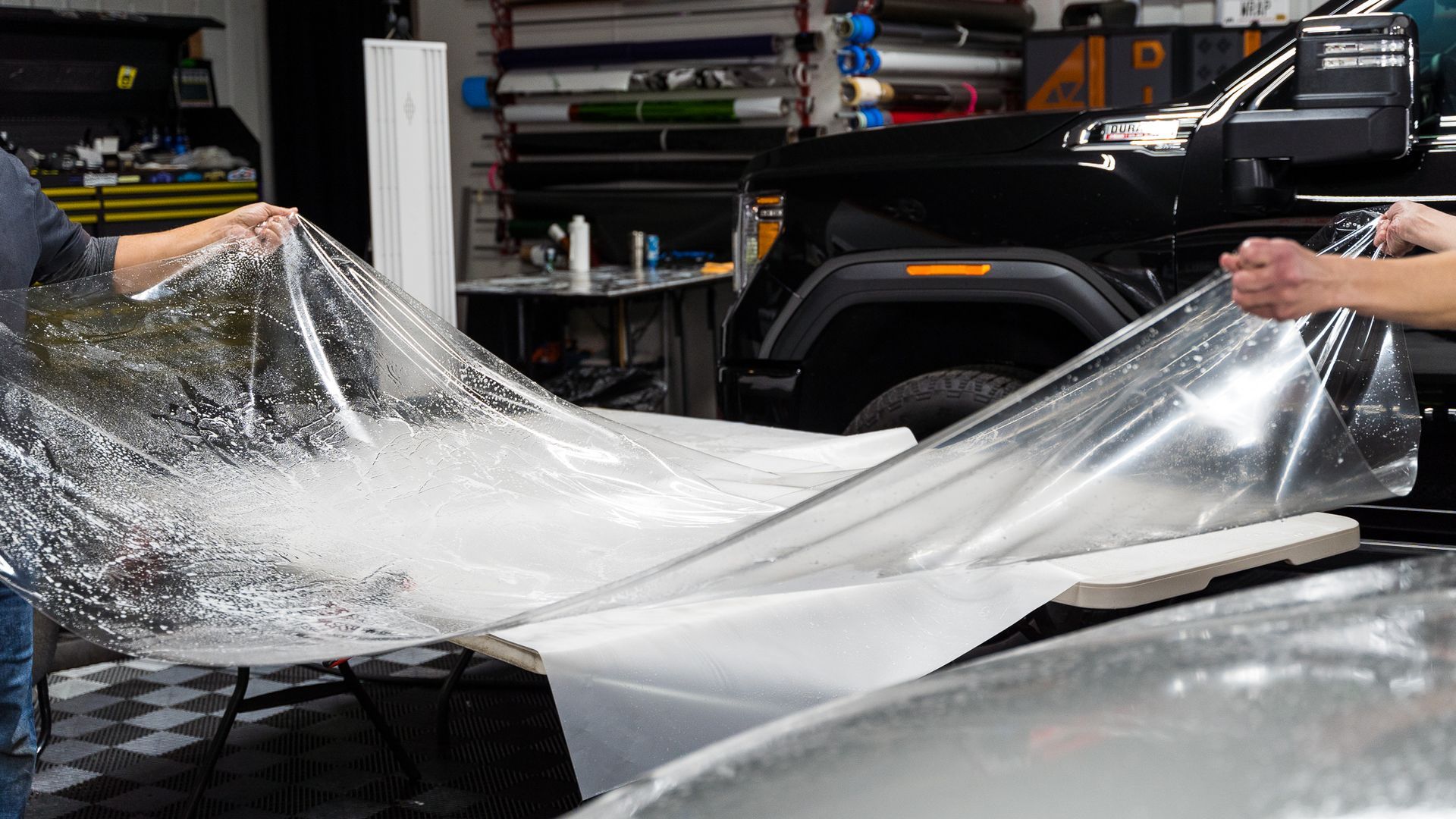
The quality of paint protection film depends on more than the material itself. Surface preparation, fitment, positioning, smoothing, and curing all influence how the finished installation looks and performs. Endless Detailing follows a multi-stage installation process that begins with preparing the vehicle and continues through film placement and curing. Understanding that process helps drivers see why professional installation is an important part of evaluating the overall value of PPF.
Step 1: Preparing and Inspecting the Vehicle Surface
Endless Detailing begins by thoroughly washing the exterior to remove dirt, grime, and contamination residue. The paint is then inspected for defects that may need to be addressed before the film is installed. This step matters because PPF follows the surface underneath it. Starting with clean, properly prepared paint helps create better conditions for adhesion and avoids unnecessarily trapping contaminants beneath the protective layer.
Preparation also gives the installer an opportunity to evaluate the vehicle before coverage begins. Existing marks do not disappear simply because film is placed over them, so identifying surface concerns in advance creates clearer expectations. For daily drivers that have already accumulated mileage, this inspection is particularly useful because it separates existing wear from the areas that the new film is intended to protect going forward.
Step 2: Cutting, Positioning, and Applying the Film
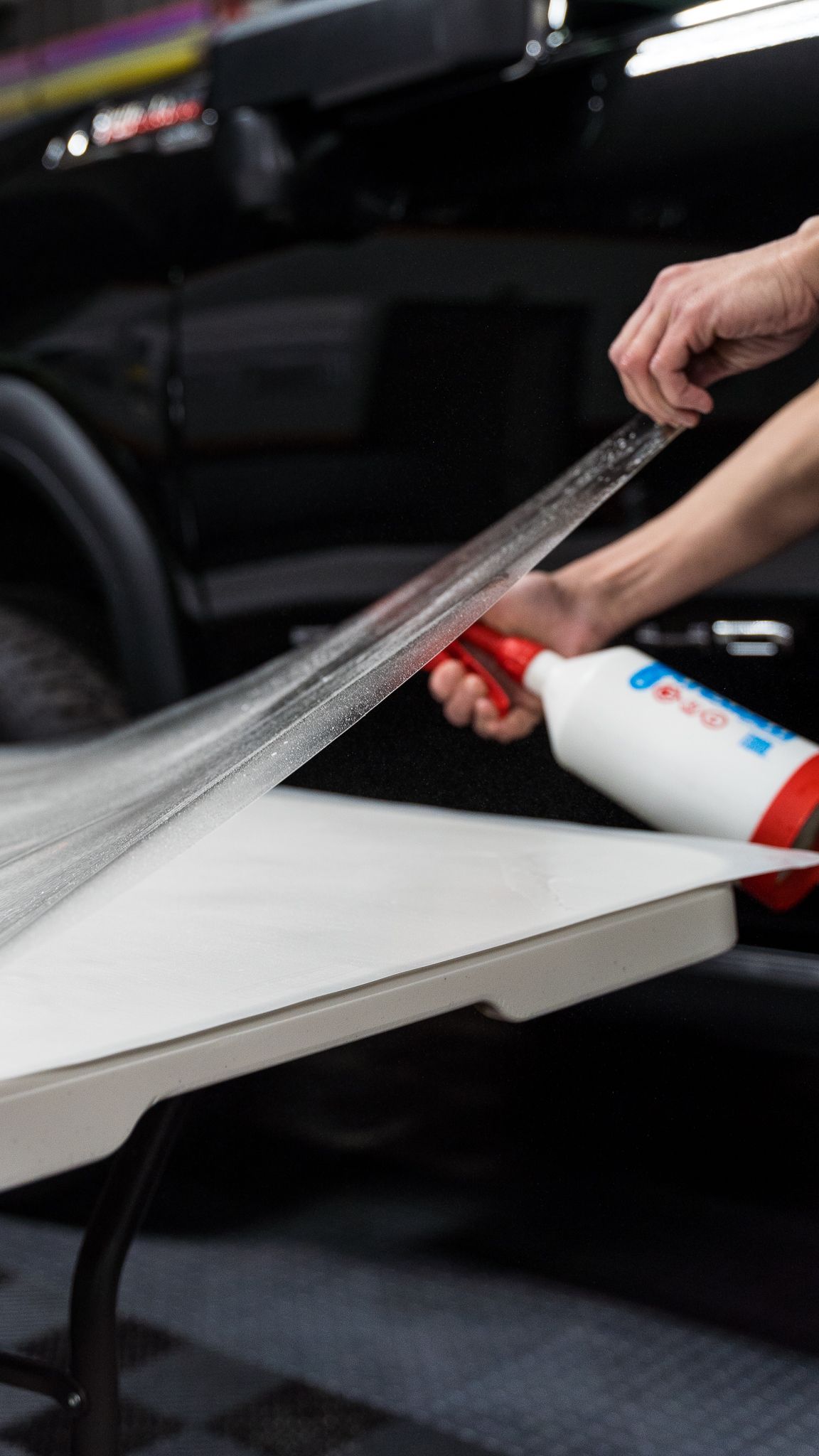
After preparation, the film is measured and cut for the specific parts of the vehicle being protected. Depending on the selected package, those surfaces may include bumpers, the hood, fenders, mirrors, headlights, rocker panels, or additional areas. Endless Detailing uses an application solution on the vehicle surface and adhesive side of the film so the material can be carefully positioned before final adhesion.
The film is then worked across the selected surface in a controlled manner. Proper positioning matters because vehicle panels include curves, edges, openings, and body contours that require accurate fitment. Rushing this stage can affect the finished appearance. A professional installation focuses on getting the material positioned smoothly while minimizing unnecessary stretching and ensuring the coverage corresponds with the selected protection package.
Step 3: Smoothing the Film and Allowing It to Cure
Once the film is positioned, excess application solution and air are carefully pushed from underneath it. Endless Detailing uses heat as part of the process to help the material bond to the vehicle surface and address minor installation imperfections. The film then requires approximately 24 to 48 hours to cure so that adhesion can develop properly before the vehicle returns to normal use.
This curing period is part of the service rather than an inconvenience that should be rushed. PPF needs time to settle after installation, and following appropriate post-installation guidance helps support the finished result. Drivers comparing providers should therefore look beyond the idea of simply applying film and consider the complete preparation, installation, inspection, and curing process involved in professional Paint Protection Film Installation Services.
How to Decide What Level of PPF Makes Sense for Your Vehicle
Begin by thinking about the routes and conditions your vehicle encounters most often. Consider how many days per week you drive, how much time you spend on highways, whether the vehicle travels throughout Wisconsin winters, and which panels already seem to collect the most visible wear. This simple assessment can reveal whether the main concern is concentrated at the front of the vehicle or spread across additional high-impact areas.
Next, consider the relationship between protection and ownership goals. A driver planning to keep a vehicle for many years may prioritize broader coverage differently from someone who changes vehicles frequently. Paint color, current condition, maintenance habits, appearance expectations, and budget can also influence the decision. The objective should be choosing enough coverage to address meaningful exposure without purchasing protection for areas that do not matter to your particular use case.
Finally, have the vehicle inspected and request a personalized quote before deciding solely from package names. Endless Detailing provides free PPF quotes and evaluates the vehicle before installation. That gives drivers an opportunity to discuss the condition of the paint, select appropriate coverage, and understand any preparation that may be necessary. A personalized recommendation is more useful than assuming every Milwaukee commuter needs exactly the same package.
Conclusion
For many everyday motorists, yes. Is PPF worth it for daily drivers ultimately depends on how much the vehicle is used, where it is driven, how long it will be owned, the condition of its paint, and the owner's tolerance for visible wear. Daily commuting gives road debris and environmental exposure more opportunities to affect the finish, which means a protective barrier can provide practical value well beyond vehicles that are treated as collectibles.
The strongest approach is not automatically choosing the most extensive coverage available. It is identifying the areas that receive the most exposure and selecting protection that fits the way the vehicle is actually driven. Partial Front, Full Front, and Daily Driver PPF each address different levels of exposure, allowing Milwaukee-area owners to balance protection goals with budget rather than treating paint protection as a one-size-fits-all purchase.
At
Endless Detailing, we offer PPF options designed around different driving lifestyles, along with vehicle inspection, surface preparation, professional installation, and personalized pricing. If you want to reduce the amount of everyday road wear reaching your original paint, request a free quote and discuss which coverage level makes the most sense for your vehicle, driving routine, and long-term ownership plans.
Endless Detailing Blog