How Does Self Healing Paint Protection Film Work? Detailed Guide for Milwaukee Drivers
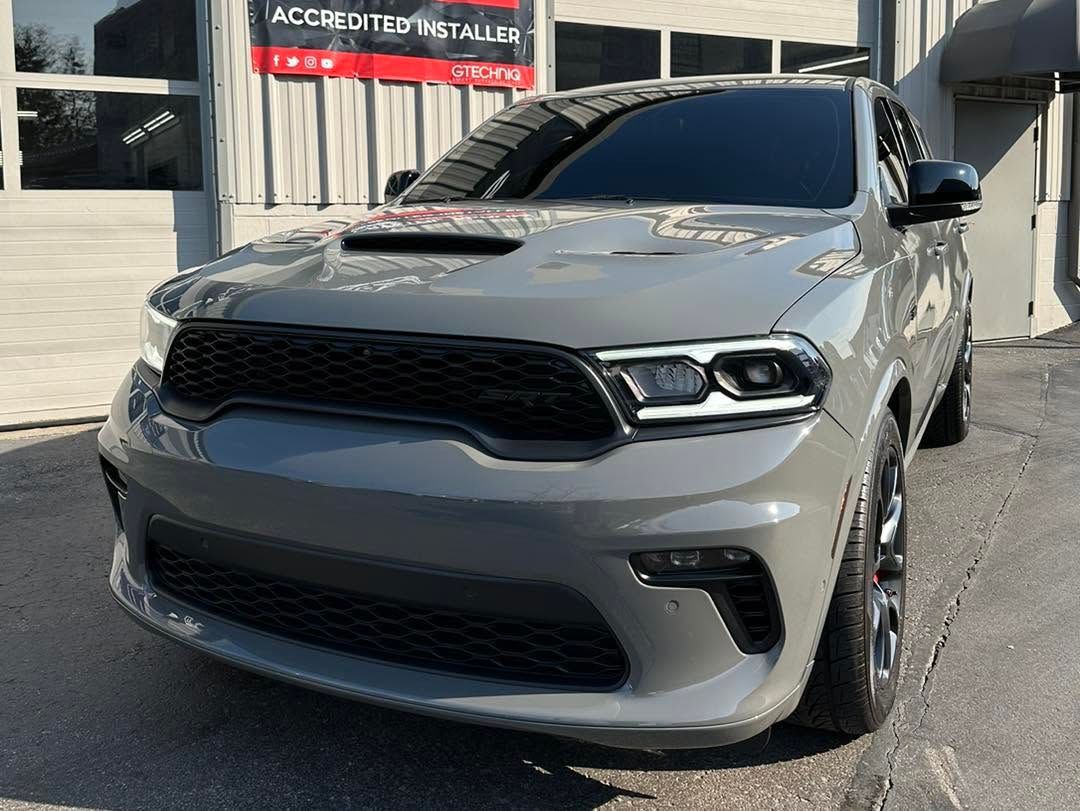
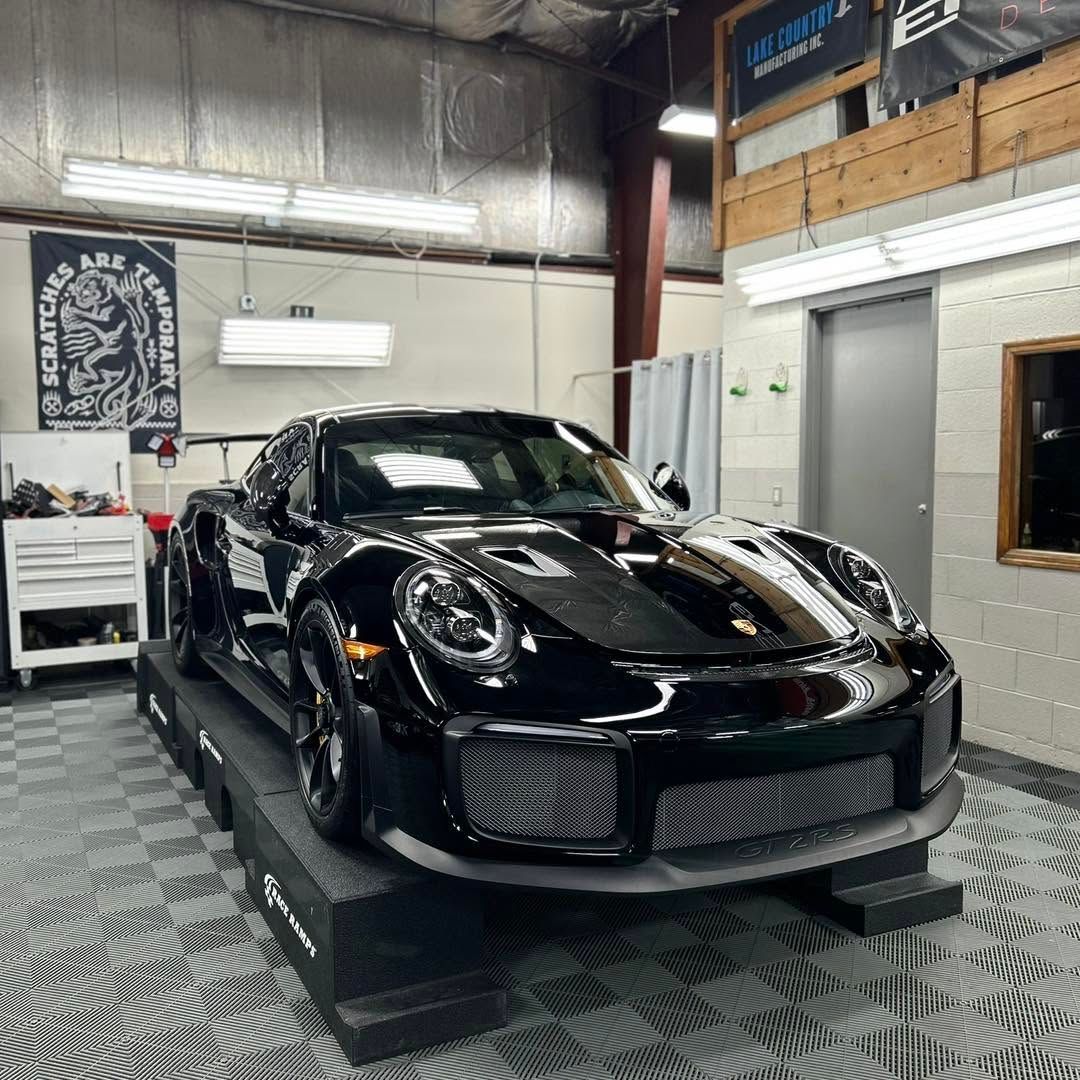
Your vehicle faces damage every time you drive. In Milwaukee, that risk grows fast because roads can throw up gravel, salt, grime, and other debris through every season. Even careful owners see swirl marks, light scratches, and chips build up over time. That is the problem self healing paint protection film is designed to solve. It creates a clear barrier over painted surfaces, and premium versions use heat-activated technology to reduce the appearance of light scratches and swirl marks before those marks become part of your car’s everyday look. Paint protection film is commonly used on high-impact areas such as the hood, front bumper, fenders, mirrors, rocker panels, and other surfaces that take the most abuse from normal driving.
For Milwaukee drivers, this matters for more than appearance. Endless Detailing positions PPF as a practical way to guard against road hazards, contamination, and paint defects, while also offering package options for partial front, full front, and daily driver coverage based on how and where you drive. The shop’s Milwaukee-area messaging also highlights harsh winters, road salt, humid summers, and year-round paint stress, which fits the needs of local owners who want long-term surface protection rather than short-term shine alone.
In simple terms, self healing paint protection film is a clear polyurethane-based film installed over your paint. Premium products use an elastomeric top layer that reacts to heat, allowing fine surface marks to level out or become less visible. That does not mean every defect disappears. However, it does mean your vehicle has a better chance of staying cleaner-looking between washes, seasons, and highway miles.
1. The Real Problem Milwaukee Drivers Face With Everyday Paint Damage
Milwaukee drivers do not need a major accident to damage paint. Most paint wear happens slowly. A small stone on the freeway. Grit kicked up from the car ahead. A rough wash mitt. Salt residue left sitting on panels in winter. Bug splatter after a highway drive. Each issue may look minor on its own. Together, they dull the finish and make a newer vehicle look older much faster. Wisconsin road conditions in winter can be unpredictable, and road salt is widely used because it helps keep roads safer. That same salt can also contribute to costly vehicle damage over time.
Paint is also vulnerable in places many owners overlook. The front bumper takes direct hits. The hood catches small flying debris. Mirrors and fenders sit in the path of stones and grit. Rocker panels suffer from debris thrown by your own tires. This is why PPF is usually installed on high-impact zones first. Industry references and installer guidance both point to those same areas as the most common places for paint damage to begin.
A lot of drivers wait until they see the damage. By then, the original finish is already compromised. Paint correction can help with some defects, but it cannot undo rock chips or replace lost clear coat. That is why many owners choose self healing paint protection film early, especially on new vehicles, performance cars, trucks, SUVs, and daily drivers that spend time on highways around Milwaukee and southeastern Wisconsin.
2. How Does Self Healing Paint Protection Film Work?
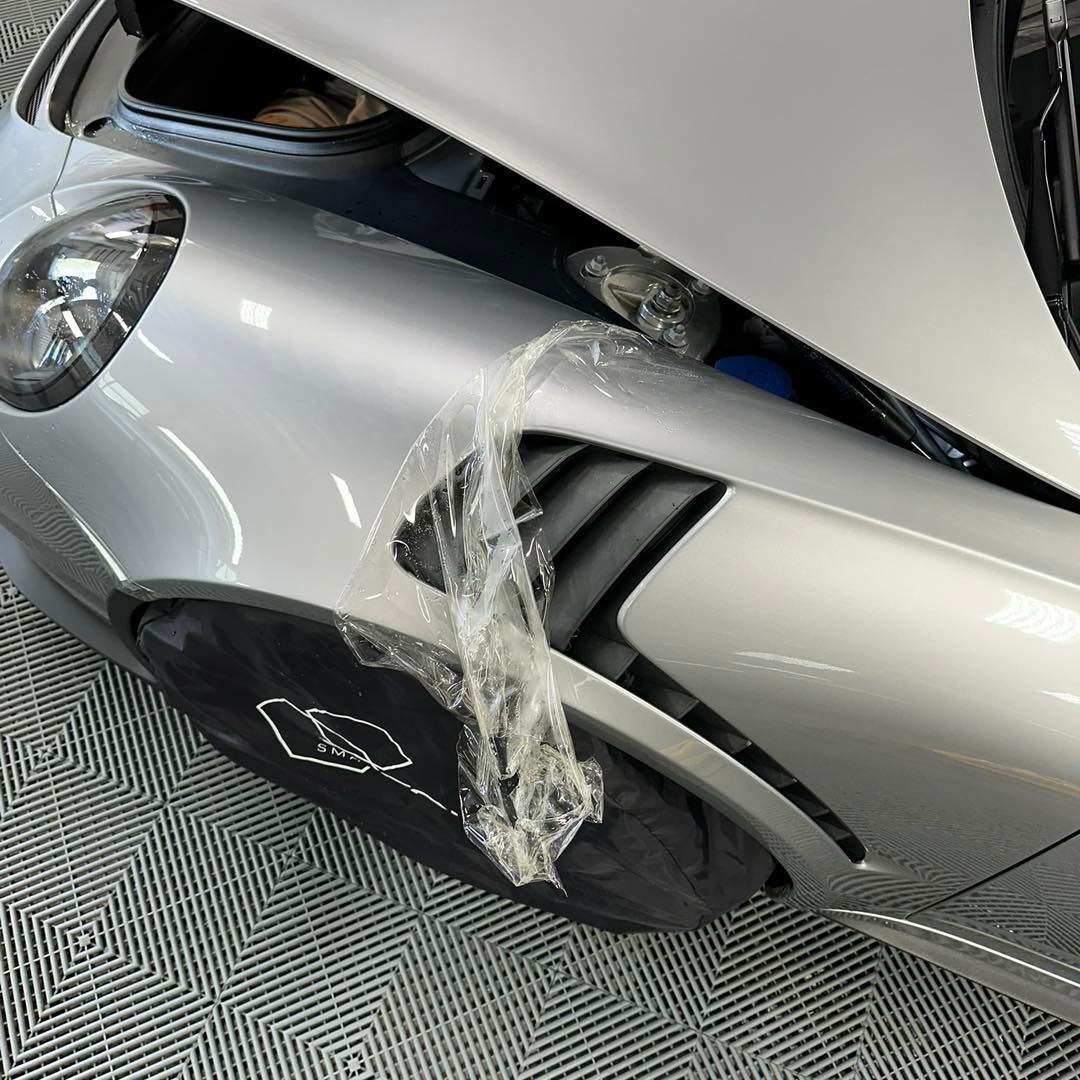
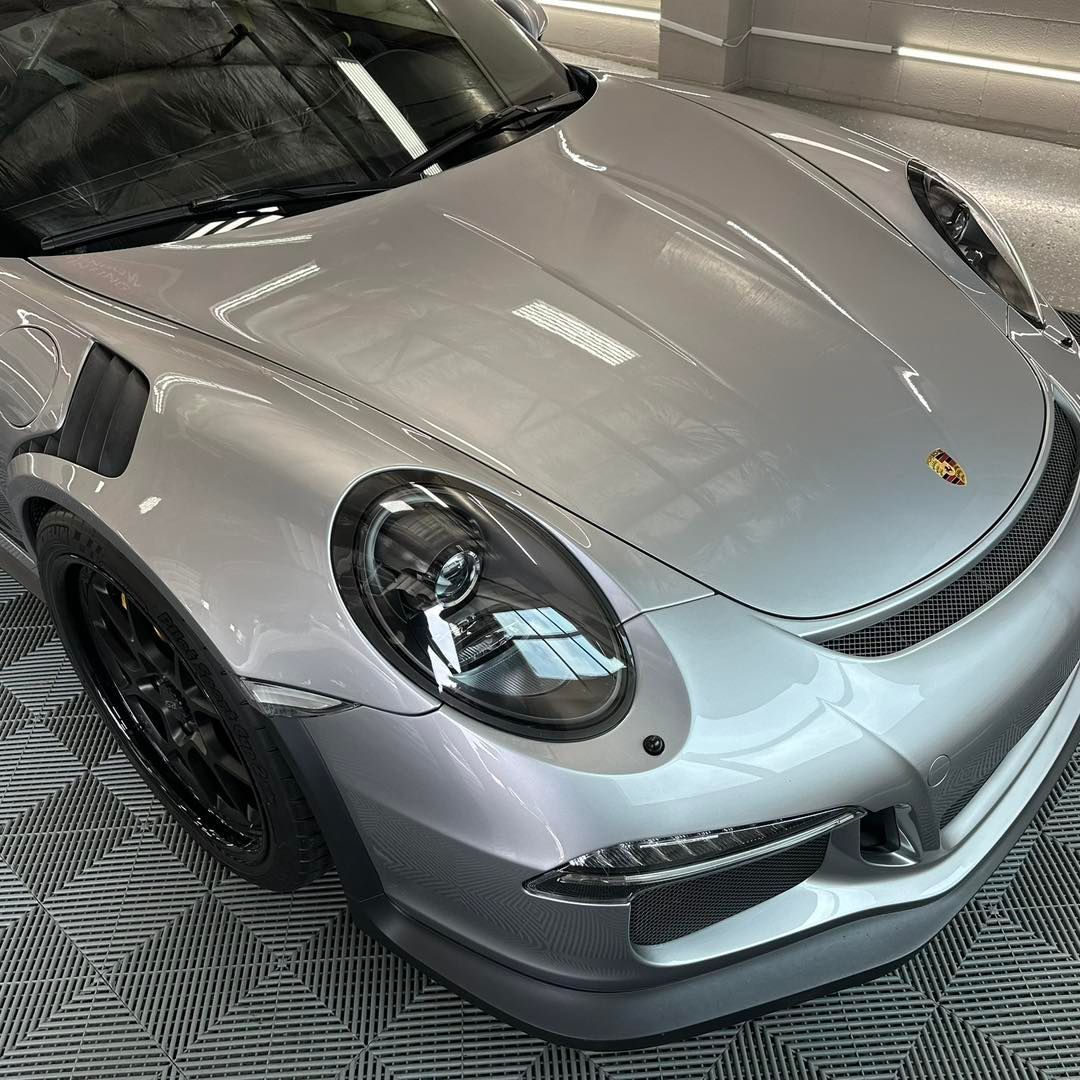
At its core, self healing paint protection film works by combining impact resistance with a heat-responsive surface layer. The film itself is usually made from polyurethane. Premium versions add a self-healing clear coat or elastomeric top layer. When fine surface scratches affect that top layer, heat helps the material relax and return closer to its original smooth shape. As a result, light swirls and minor marks become harder to see.
This matters because not all protection products behave the same way. Waxes and many sealants sit on the surface and wear away. Ceramic coatings can improve gloss, chemical resistance, and ease of washing, but they do not provide the same sacrificial physical barrier against chips and direct road impact as PPF. Endless Detailing also separates these services on its site, offering ceramic coating and paint protection film as different protection options for different goals.
2.1 The science behind the heat activated top layer
The science is fairly simple when explained in plain language. A quality self healing paint protection film uses a flexible topcoat made to respond to warmth. Manufacturers such as 3M and XPEL describe their films as self-healing when heat is applied to the surface, and XPEL specifically describes the topcoat as elastomeric polyurethane. That elasticity is what helps the top layer recover after very light surface marring.
2.2 How light scratches and swirl marks become less visible
Light scratches and swirl marks usually affect the uppermost surface, not the paint below. When warmth reaches the film, the top layer softens enough to level itself back out. That does not mean the film becomes liquid. It means the material has enough flexibility to reduce the visibility of shallow marks. This is one reason many owners notice that the finish looks better after sun exposure or gentle warmth.
2.3 What sunlight, warm water, and controlled heat actually do
Heat is the trigger. That heat can come from direct sunlight, warm water, or a professional heat source used carefully. The key word is carefully. Controlled warmth helps the top layer relax. It does not repair torn film, punctures, or deep gouges. In real-world use, that means everyday wash swirls and fine marks may fade, while larger impact damage will still remain.
2.4 Why deeper chips and heavy damage do not self heal
Self healing paint protection film is not magic. It is engineered protection. If a rock hits hard enough to cut, puncture, or deeply deform the film, the damage can exceed what the top layer can recover from. The same is true for sharp impacts that break through the surface or damage the paint below. In those cases, the film did its job by taking the hit first. However, the affected section may need repair or replacement. Endless Detailing also notes that PPF does eventually need replacement over time, especially if wear, scratches, or reduced hydrophobic performance start to show.
3. What Self Healing PPF Protects Against
A major reason this product ranks high with car owners is simple: it protects against the damage people actually see during daily use. Good film acts as a sacrificial barrier, so the abuse lands on the film first instead of your original finish.
3.1 Road debris and rock chips
Road debris is the biggest reason many people install self healing paint protection film. Small stones, highway grit, and loose material from nearby traffic can strike the front of the vehicle at speed. PPF is widely promoted for defending against rock chips, and Endless Detailing builds its front-end packages around the panels most exposed to that type of impact.
3.2 Light scratches from washing and daily use
Even careful washing can create fine swirls. Daily use can also leave light marks around door edges, trunk openings, or high-contact areas. Heat-activated film helps reduce the look of those light surface defects, which makes maintenance easier for owners who want the car to keep a cleaner finish between details.
3.3 Bug splatter, bird droppings, and environmental fallout
Bugs, bird droppings, tree sap, and other contaminants can stain or etch unprotected surfaces if they sit too long. PPF creates a barrier between that contamination and the paint. While you still need to clean the vehicle, you are cleaning the protective layer rather than scrubbing directly on factory paint.
3.4 UV exposure, oxidation, and surface wear
Quality film also helps guard against weathering. XPEL highlights UV resistance and non-yellowing performance in its PPF materials, while 3M markets its film as protection from scratches, rock chips, and the elements. That makes self healing paint protection film useful for Milwaukee drivers who want year-round defense, not just impact protection.
Here are the everyday threats self healing PPF is built to handle:
- Rock chips on the hood, bumper, mirrors, and fenders
- Light wash marks and shallow swirl marks
- Bug residue, bird droppings, and road grime
- UV exposure and gradual surface wear
- Seasonal contaminants from Milwaukee roads and weather
4. Why Self Healing Paint Protection Film Is Worth Considering
The biggest benefit is preservation. Your vehicle keeps a better finish because the film absorbs routine abuse before the paint does. That is especially valuable if you own a newer vehicle, plan to keep it long term, or care about resale value and appearance. Endless Detailing also describes PPF as a critical investment for preserving how a vehicle looks over time.
It also improves maintenance. A protected surface is easier to clean and easier to keep looking consistent. Instead of chasing new wash marks or worrying over every small contact point, you gain a tougher outer layer that is meant to take the wear first. That gives daily drivers peace of mind, especially on commuter routes and winter roads.
Another value point is appearance retention. When light swirls on the film reduce with heat, the vehicle tends to stay glossier and cleaner-looking between washes. That benefit is not theoretical. It is central to how major film manufacturers describe self-healing performance.
Why many Milwaukee owners see value in this service:
- It helps preserve factory paint
- It reduces the visual impact of light swirls
- It protects common high-impact areas
- It supports long-term appearance and resale goals
- It makes sense for year-round driving conditions in Wisconsin
5. Who Should Get Self Healing Paint Protection Film?
- New vehicle owners
- Daily commuters in Milwaukee
- Highway drivers
- Luxury and exotic car owners
- Truck and SUV owners
- Performance car enthusiasts
- Lease drivers who want to limit visible wear
- People planning to keep their vehicle for years
- Drivers who park outside often
- Anyone who wants less paint damage from normal use
6. Where Should Self Healing PPF Be Installed?
The best answer depends on how you drive, where you drive, and how much protection you want. Still, most owners start with the front of the vehicle because that area takes the highest volume of direct impact. Endless Detailing structures its packages around this logic with Partial Front PPF, Full Front PPF, and Daily Driver PPF. The listed coverage includes combinations of the front bumper, hood, front fenders, mirrors, headlights, rear bumper, and rocker panels.
If you want the most budget-friendly starting point, partial front coverage usually protects the bumper, part of the hood, part of the front fenders, and headlights. This can work well for drivers who want basic protection on the most exposed sections without covering the full front clip. It is often the entry point for owners who are new to self healing paint protection film.
Full front coverage is the stronger choice for many Milwaukee drivers. It usually includes the full hood, full front fenders, front bumper, mirrors, and headlights. That gives cleaner visual coverage lines and better real-world protection if you drive on highways, commute often, or want stronger defense against chips and road spray.
Daily driver coverage expands protection even more. Endless Detailing’s package adds the rear bumper and rocker panels, which matters because side splash and tire-thrown debris can damage those lower sections over time. This brand-oriented approach makes sense for local owners who use their vehicle every day and want coverage that reflects actual driving patterns, not just showroom priorities.
6.1: Where to install self healing paint protection film first
If you are deciding where to begin, focus on these areas first:
- Front bumper
- Full hood
- Front fenders
- Side mirrors
- Headlights
- Rocker panels
- Rear impact areas on daily drivers
7. How the Installation Process Works Step by Step
A good result depends on more than just the material. Installation quality matters. Endless Detailing outlines a multi-step process that starts with cleaning and inspection, then moves into cutting, placement, smoothing, and curing.
Step by step installation process
1. Surface washing and decontamination
The vehicle is washed thoroughly to remove dirt, residue, and contamination. This step matters because anything left on the paint can get trapped under the film.
2. Paint inspection and correction if needed
After cleaning, the surface is inspected for defects. If correction is needed, it should happen before installation. Film locks in what is underneath it, so a cleaner surface leads to a better final result.
3. Precision cutting and film placement
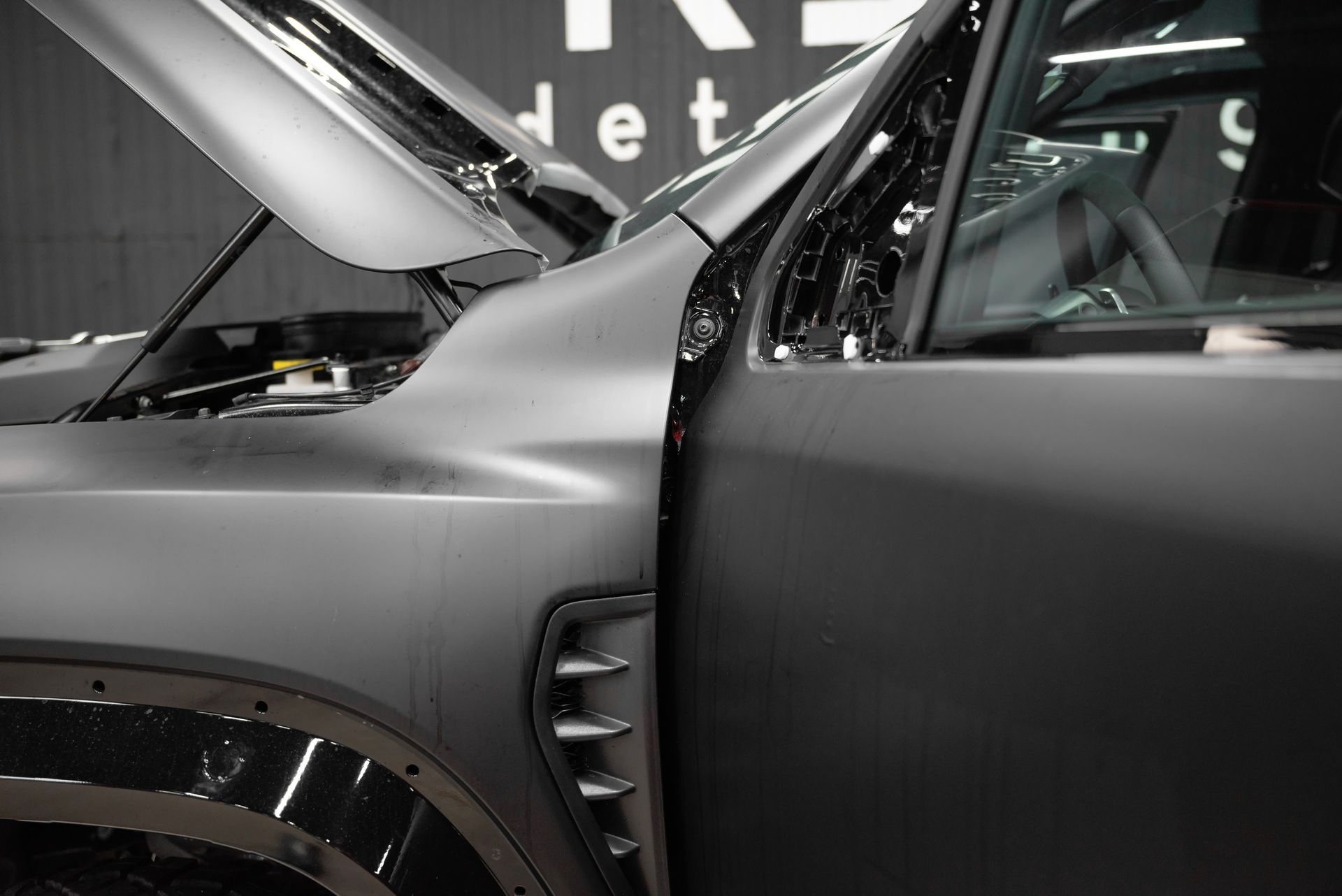
The installer measures and cuts the film for each panel. Endless Detailing notes that this can include the hood, bumpers, mirrors, roof, and more. A solution is used on the surface and adhesive side to allow accurate positioning before the film sets.
4. Smoothing and edge work
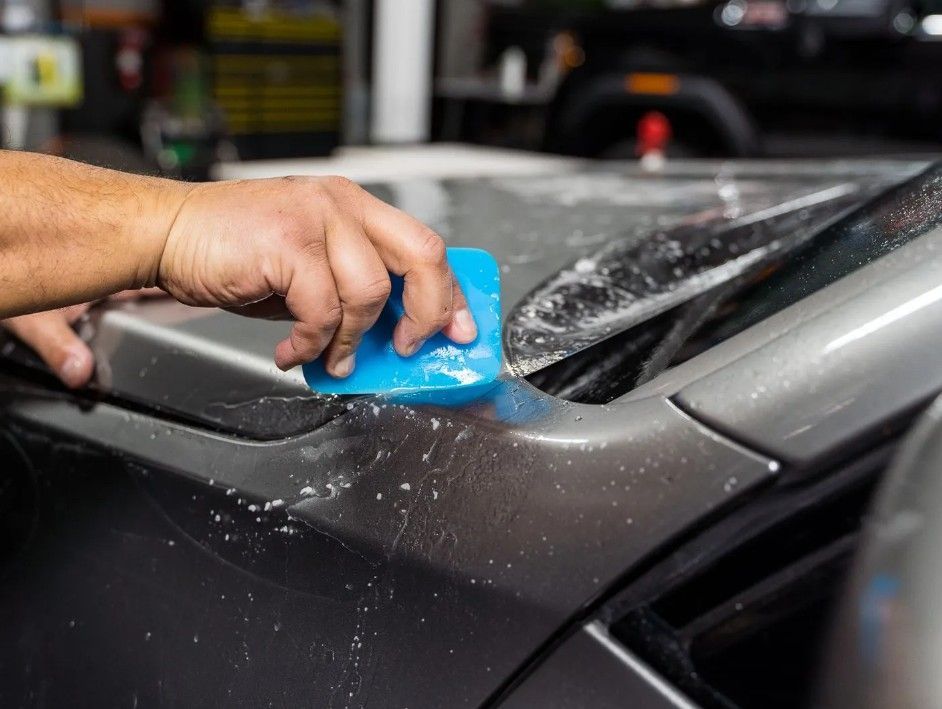
Once positioned, the film is worked into place carefully. Air bubbles and excess solution are pushed out to create a smooth finish. This stage takes patience because stretching, lifting, and trapped moisture can affect the final appearance.
5. Heat setting and curing
A heat gun can help the film bond, settle, and remove small installation imperfections. Endless Detailing says curing generally takes around 24 to 48 hours for proper adhesion.
8. How to get the best results after installation
The first few days matter. During curing, avoid unnecessary touching, aggressive washing, or anything that could disrupt adhesion. Follow installer guidance closely. This helps the film settle properly and keeps edges, corners, and wrapped sections looking clean.
After installation, smart care still matters:
- Wash with safe methods and clean tools
- Remove harsh contaminants promptly
- Do not expect deep cuts to self repair
- Inspect high-impact areas after long highway trips
- Replace worn film before it fails completely
Conclusion
Self healing paint protection film works by using a clear polyurethane film with a heat-responsive top layer that can reduce the appearance of light scratches and swirl marks. It does not repair every kind of damage, but it does offer a practical layer of defense against the problems Milwaukee drivers face most: road debris, minor surface marring, contaminants, UV exposure, and daily wear. That makes it one of the strongest options for owners who want long-term paint protection without constantly correcting the finish.
Just as important, the right coverage depends on how you use your vehicle. Some drivers only need front-end defense. Others benefit more from a full front or daily driver package that covers rocker panels, mirrors, and other high-risk zones. Endless Detailing offers those package levels and explains a process that includes washing, inspection, cutting, application, smoothing, and curing for a better final result.
If you drive in Milwaukee and want your paint to stay in better shape through every season, this is where a professional installer makes a difference.
Endless Detailing serves the Milwaukee area and offers self healing PPF packages tailored to different vehicles and driving habits, along with inspections and quotes before installation. That can be especially useful when you want help deciding where to protect first, when to install film on a newer vehicle, or how to combine paint protection with other appearance services for longer-lasting results.
Endless Detailing Blog